Logline & Concept
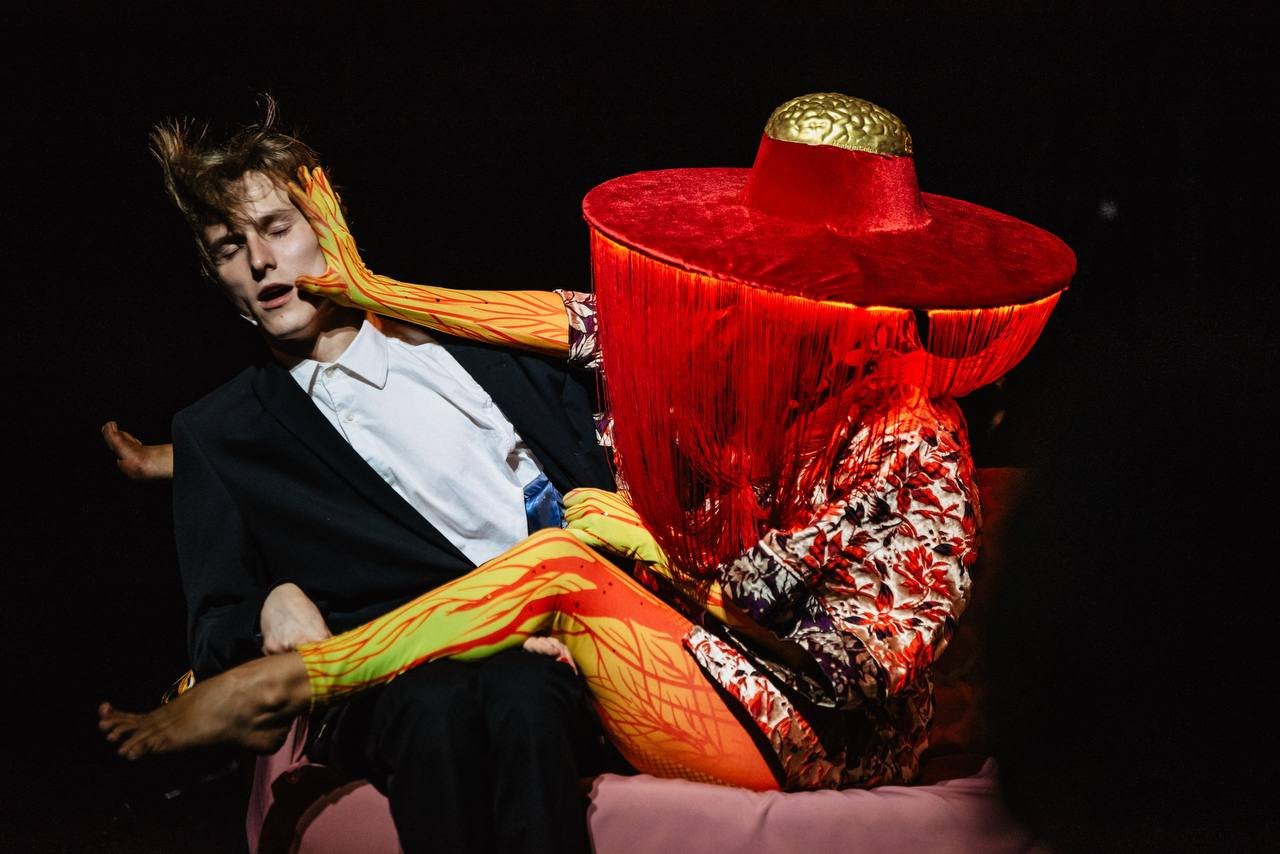
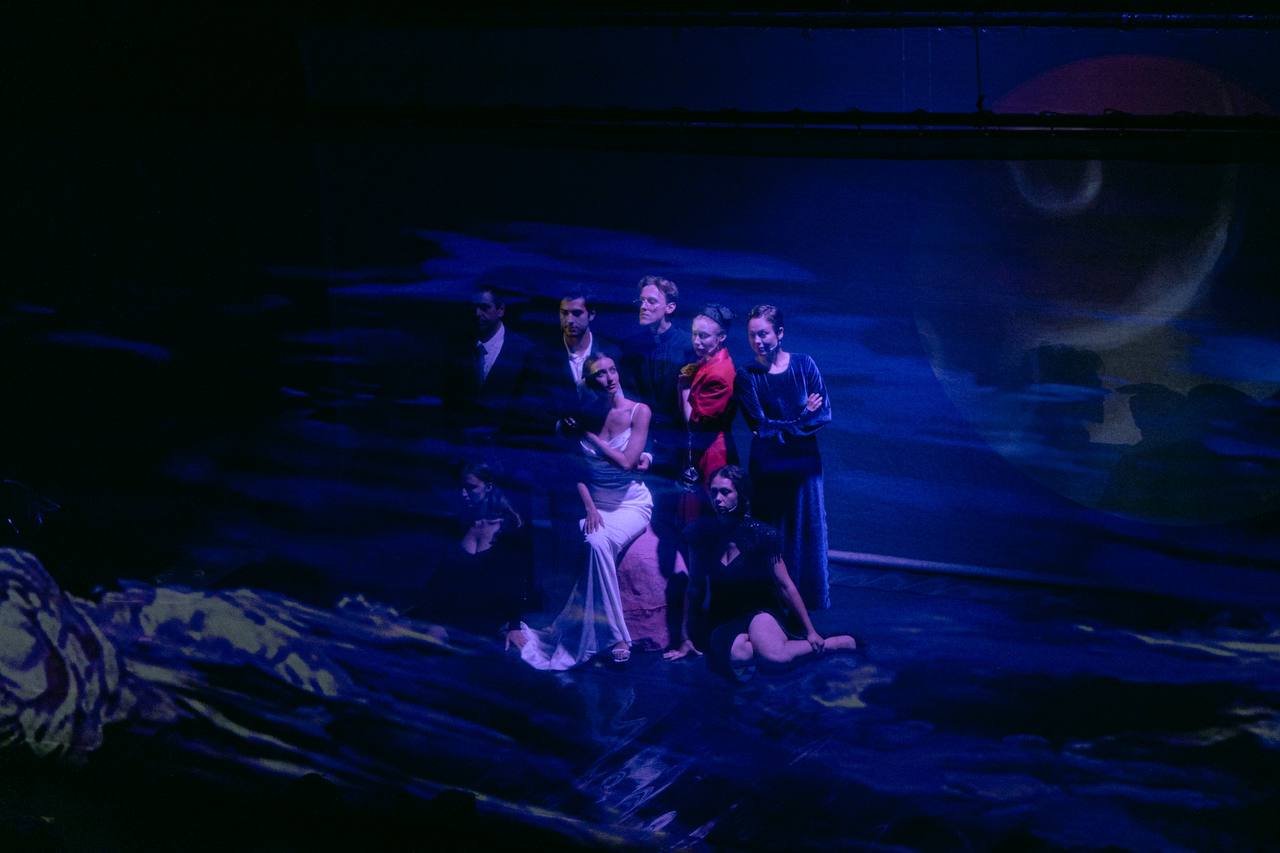
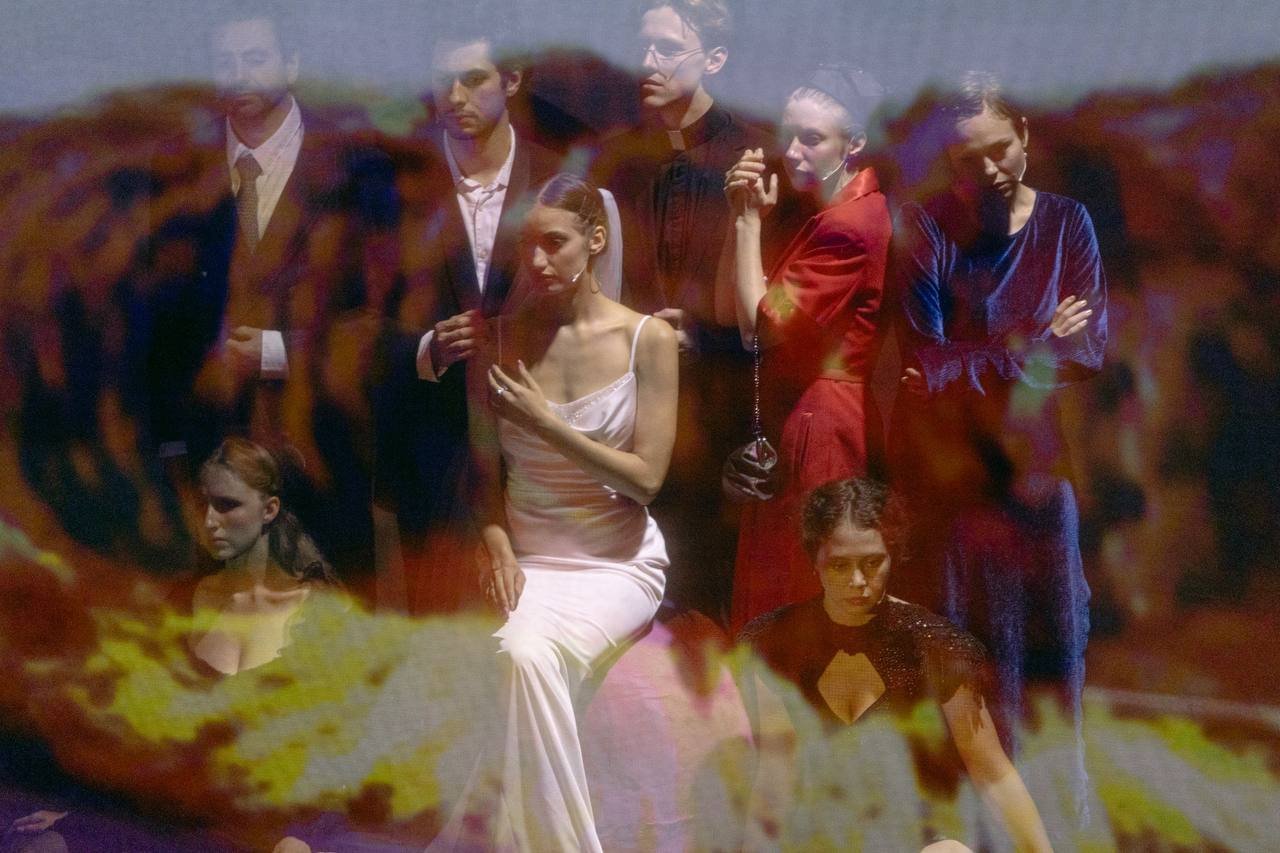
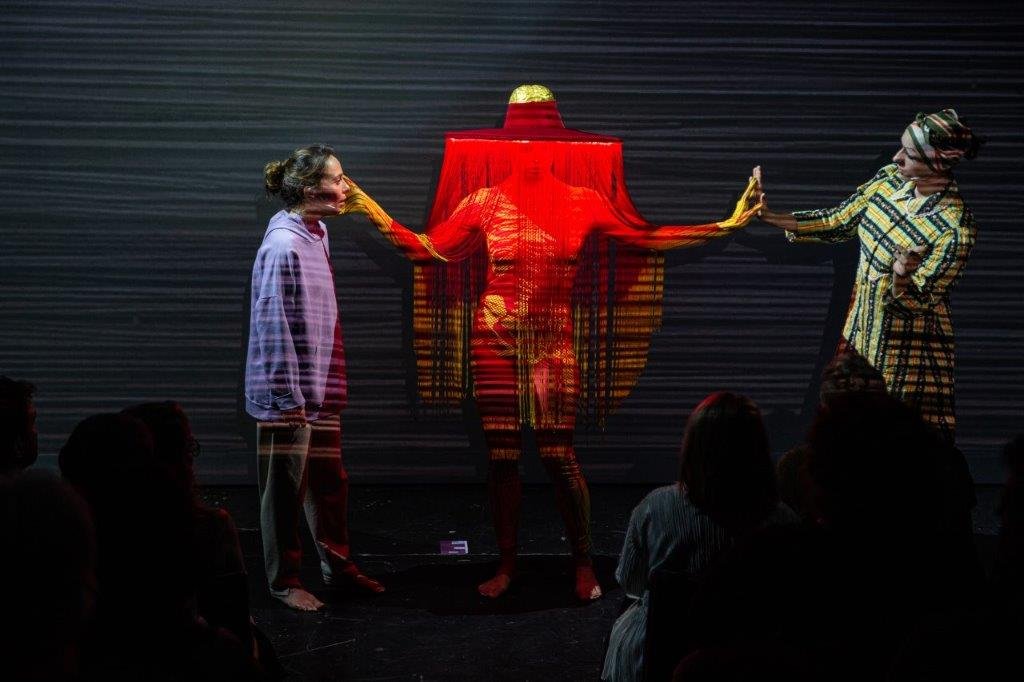
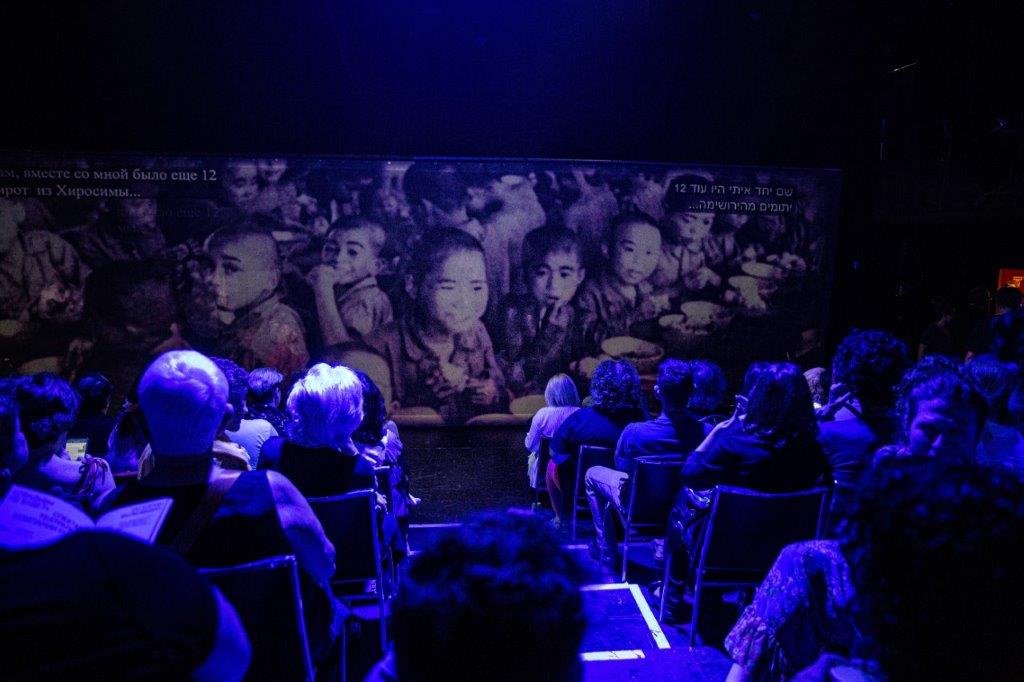
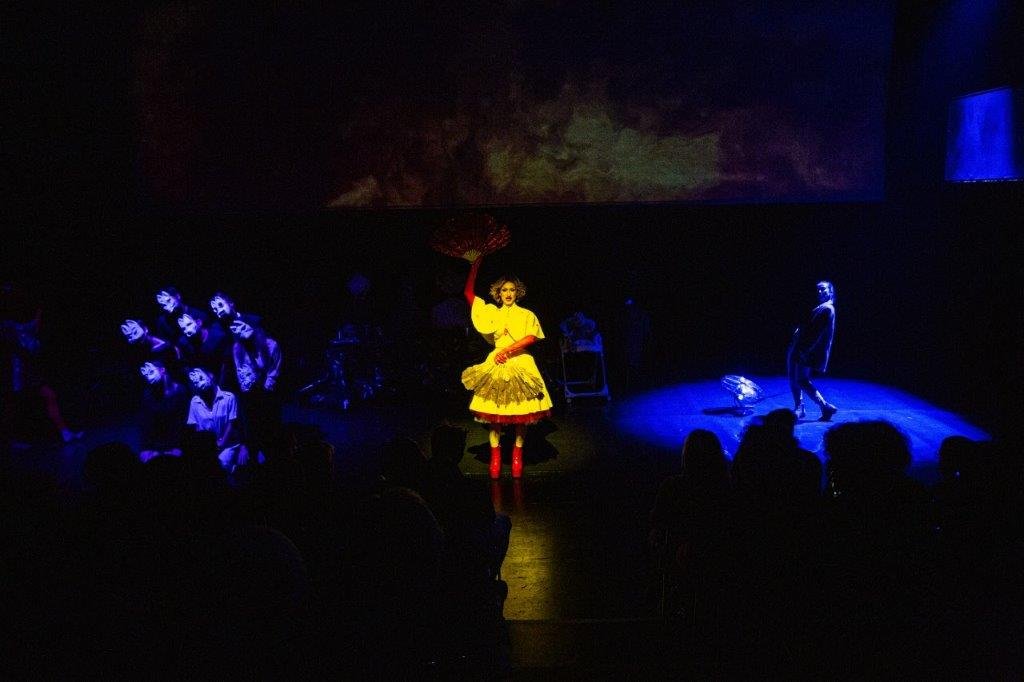
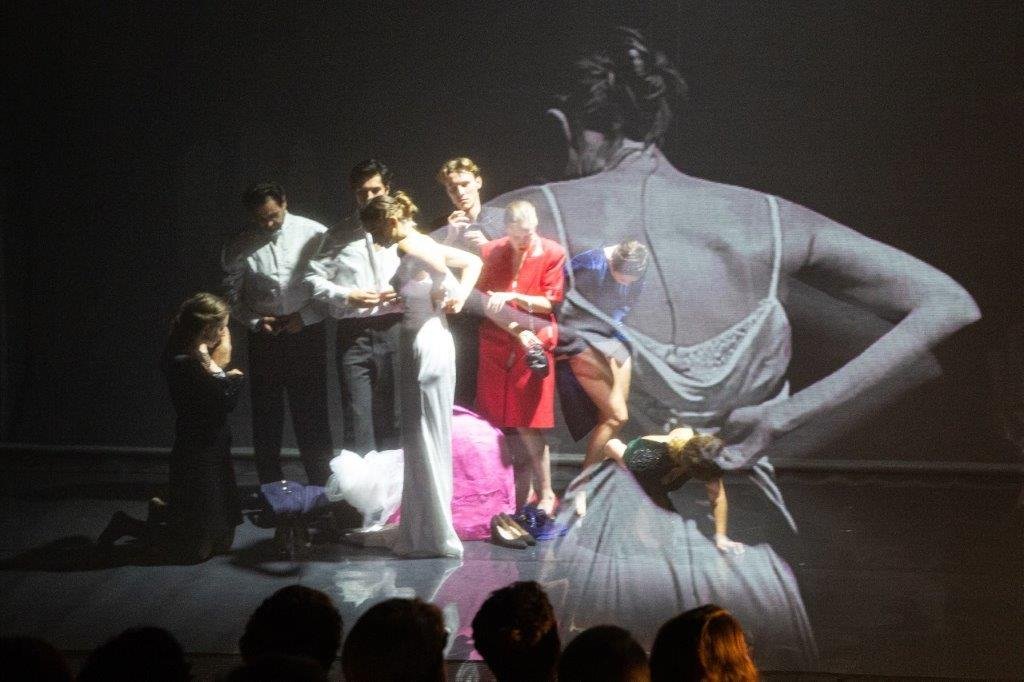
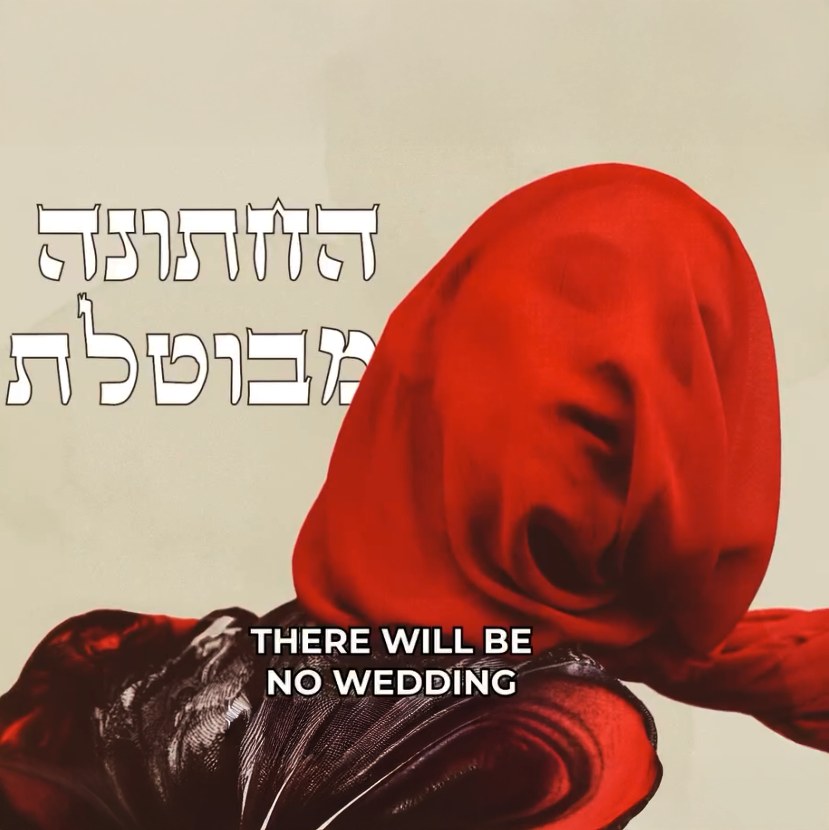
A documentary–artistic drama inspired by the memories of hibakusha — survivors of the atomic bombings of Hiroshima and Nagasaki. In a small town preparing for a wedding during wartime, the dream of a fairy-tale celebration is shattered by the sudden strike of an atomic bomb. The play follows the townspeople before, during, and after the end of the world, carrying the audience from the realm of fantasy into raw documentary testimony — the unfiltered words of those who lived through the unthinkable. Rather than reconstructing history literally, the production asks a profound question: is humanity capable of becoming more humane without first enduring acts of inhuman destruction? By weaving together fiction, historical experience, and the present day, the play reflects on what kind of future awaits humanity after catastrophe.
Creative Team
- Director: Daria Shamina
- Video Artist & AI Frescoes: Nick Dreyden (Generative Projections)
- Presented by: Fulcro Theatre (Tel Aviv) in partnership with Gesher Theatre
Premiere
June 27, 2024 — Gesher Theatre Hangar, Tel Aviv.
Visual & Multimedia Concept
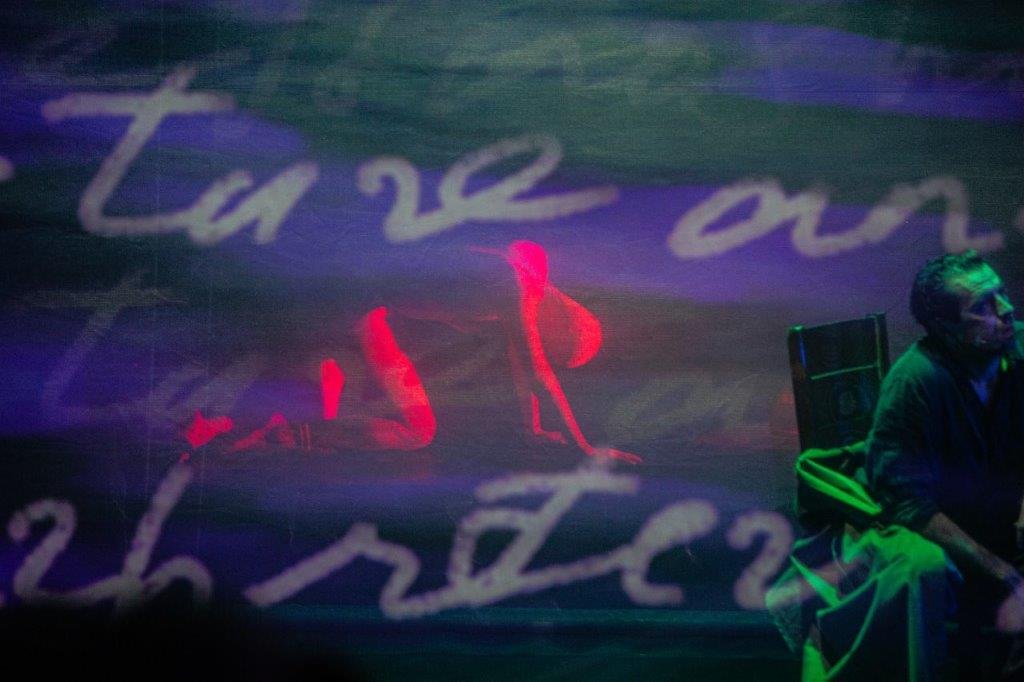
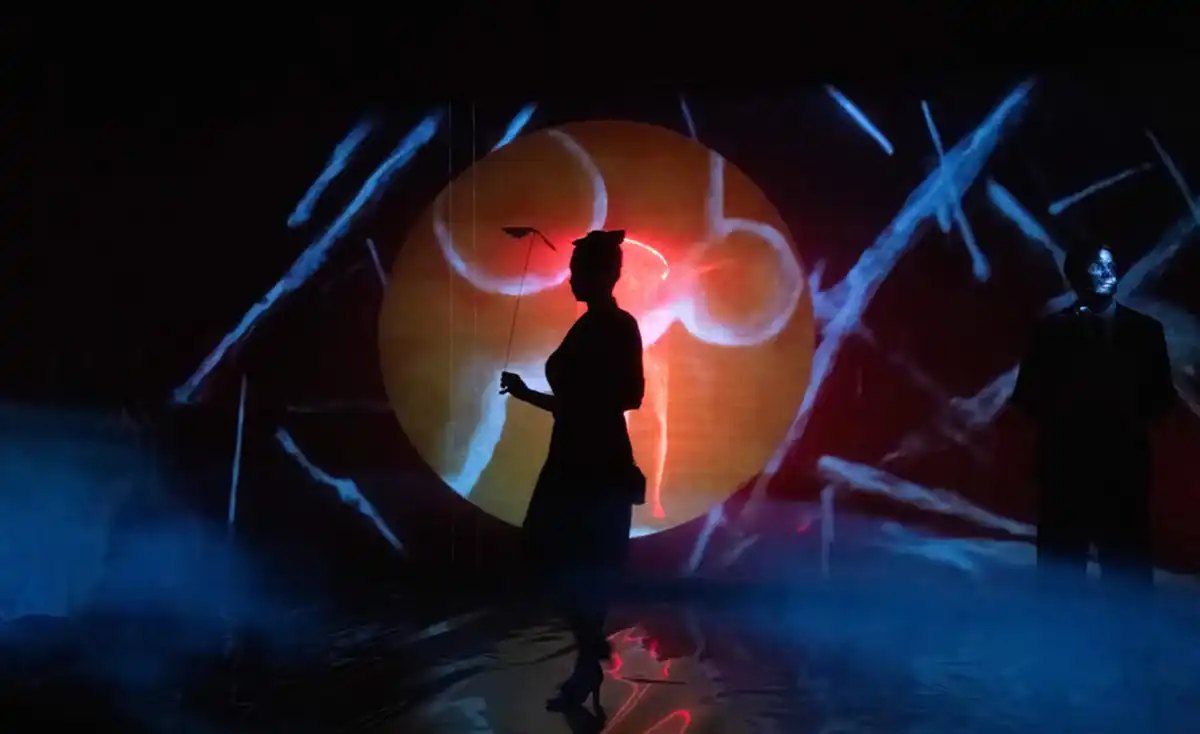
As the video artist, Nick Dreyden was central in defining the production's visual language. Dreyden dedicated an entire year to training a neural network to generate AI frescoes inspired by post-war Japanese painting and archival sketches. These projections became living witnesses on stage: vast digital panels shifting from peaceful landscapes to scorched ruins, immersing the audience in the memory of destruction. The multimedia design did not merely accompany the drama — it became an independent "character," amplifying the tension and anchoring the audience in a post-apocalyptic atmosphere. One of the most powerful moments was the projection of a torn nuclear cloud sky, generated by AI, which left the audience in stunned silence.
Reception
The premiere became a landmark event in the independent theatre scene. Israeli critics highlighted the urgency of the theme: "This is not a play about bombs, but a play about hope." Russian-language press praised the production as a bold and necessary integration of avant-garde theatre into the Israeli cultural landscape. Theatre critic Yacov Shaus wrote that Fulcro's work continues its tradition of "authentic, courageous performance — a tuning fork of sincerity and relevance". Audiences described the show as "shocking and devastating, but also profoundly poetic", with many moved to tears by the combination of survivors' verbatim testimonies and the dreamlike, fairy-tale episodes interwoven throughout.
Gallery